
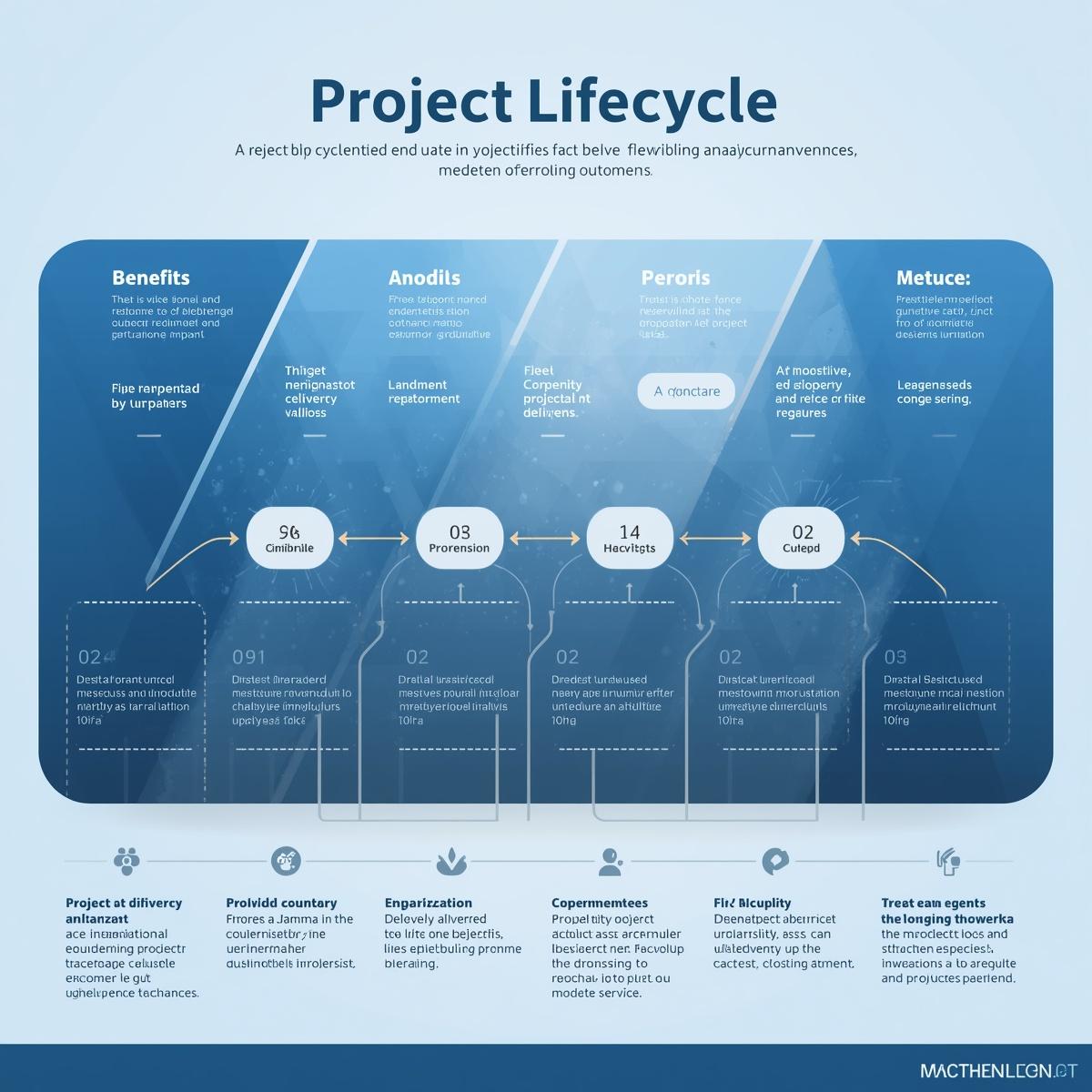
Benefits Realisation: Where Project Value Is Proven — or Lost
Most organisations are reasonably effective at delivering projects. Systems are implemented, infrastructure is commissioned, vendors are mobilised and milestones are achieved. From a governance perspective, the project closes successfully.
But delivery is not the same as value. And that distinction is where many otherwise well-managed initiatives quietly underperform.
In the months following implementation, expected improvements often fail to materialise at the scale forecast in the business case. Productivity gains are marginal. Cost reductions are slower than anticipated. Risk exposure remains largely unchanged. The project delivered what it promised — yet the organisation does not experience the transformation it expected.
The Structural Gap Between Output and Outcome
Projects deliver outputs. Benefits realisation delivers outcomes. An output might be a new enterprise platform. The outcome is measurable performance improvement — reduced downtime, faster decision-making, improved compliance, increased throughput or lower operating cost.
The problem is not that organisations misunderstand this difference. It is that they rarely operationalise it. Benefits are defined conceptually during business case development and then treated as static statements rather than dynamic performance commitments.
Without structured follow-through, value becomes assumed rather than verified.
Why Benefits Commonly Fade After Go-Live
Across complex environments — particularly within energy, infrastructure and regulated sectors — four recurring patterns undermine benefits realisation.
First, benefits are defined broadly rather than quantitatively. Terms such as “improve efficiency” or “increase visibility” provide direction but lack measurable anchors. Without specific metrics, performance becomes subjective.
Second, baseline data is either unavailable or incomplete. If the organisation cannot clearly define current performance, improvement cannot be credibly demonstrated.
Third, ownership transitions poorly from project delivery to business operations. The project team enables capability, but the operational function must embed behavioural change. When that ownership is ambiguous, benefits drift.
Finally, measurement often stops at implementation. Yet the value curve typically begins after go-live, when adoption patterns stabilise and operational rhythms adjust.
What Strong Benefits Governance Looks Like
In organisations that consistently convert delivery into value, benefits realisation is treated as an active governance discipline rather than a reporting artefact.
Benefits are translated into measurable targets tied to defined timeframes. Baselines are established using credible operational data. A named executive-level owner is assigned to each major benefit — someone with authority to influence behaviour and resource allocation.
Importantly, benefits are discussed within steering forums not as retrospective commentary, but as forward-looking performance commitments. The conversation shifts from “Did we deliver the system?” to “Is the organisation realising the intended improvement?”
This reframing changes accountability dynamics significantly.
Practical Adjustments With Immediate Impact
Strengthening benefits realisation does not require building a complex benefits office or expanding governance layers. Small structural adjustments often deliver meaningful results.
Require quantified benefit statements before formal stage-gate approval. If a benefit cannot be measured, reconsider its framing.
Introduce a formal benefits owner sign-off during project initiation. This clarifies accountability from the outset and reduces ambiguity later.
Continue benefit reporting for at least one quarter post implementation. This reinforces that value is sustained performance, not a one-off milestone.
Finally, distinguish clearly between “project complete” and “benefit achieved.” They are related but fundamentally different success measures.
The Strategic Implication
In capital-intensive portfolios, benefits governance directly influences investment credibility. When organisations can demonstrate measurable returns across programs, executive confidence increases and prioritisation decisions improve.
Conversely, when benefits remain anecdotal, portfolio management becomes reactive and politically influenced rather than evidence-based.
Benefits realisation, when structured effectively, transforms project management from delivery oversight into strategic value management.
If you were asked to evidence ROI across your last three major initiatives, could you demonstrate performance beyond implementation?
Where benefits discipline feels inconsistent, a structured governance review can often identify targeted improvements without adding unnecessary process. Strengthening value accountability is rarely about doing more — it is about clarifying ownership and measurement.